
How to Choose Food Bottles and Jars
Start with the product, filling process, and consumer use—not packaging appearance alone.
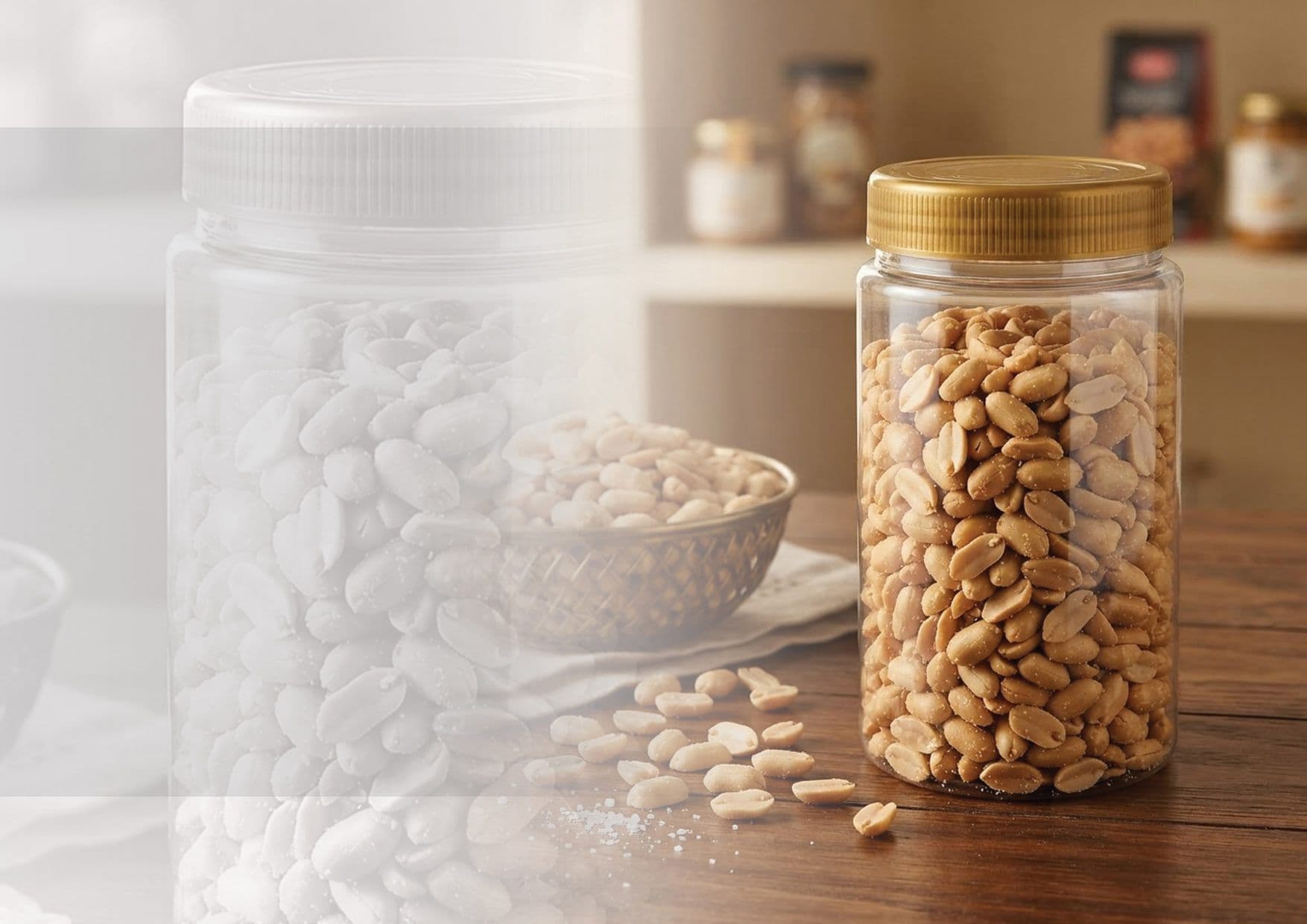
Bottles are a practical starting point for pourable products, while jars often suit thick, particulate, or spoonable foods. The final choice should be validated with the actual product, closure, and process conditions.
Start with the product
Viscosity, acidity, fat content, particle size, sensitivity to light and oxygen, and filling temperature all influence package selection. A product with large particulates may need a finish that does not restrict filling or dispensing; a light-sensitive product may require suitable colour or protection.
No polymer or container shape is universally suitable for every food. Confirm compatibility against the formulation, intended shelf life, and storage conditions.
Bottle or jar?
Bottles commonly suit oils, beverages, thin sauces, and syrups because they support controlled pouring and handling. Jars typically provide wider access for honey, spreads, spices, nuts, and thick sauces.
The body shape should also support stability during transport, stacking, and use. Label area, mandatory information, and fit with available equipment belong in the design decision.
Pre-order checklist
Evaluate a container sample with the real product and proposed closure. Check leakage, opening and closing torque, process-temperature performance, and product appearance through storage. Compare nominal capacity with fill volume and required headspace.
Food-contact or regulatory claims should be made only when supported by material documentation, necessary testing, and the requirements of the destination market.