
PET vs. Polyethylene for Food Packaging
Both PET and polyethylene are common in food packaging, but the right choice depends on the product and process.
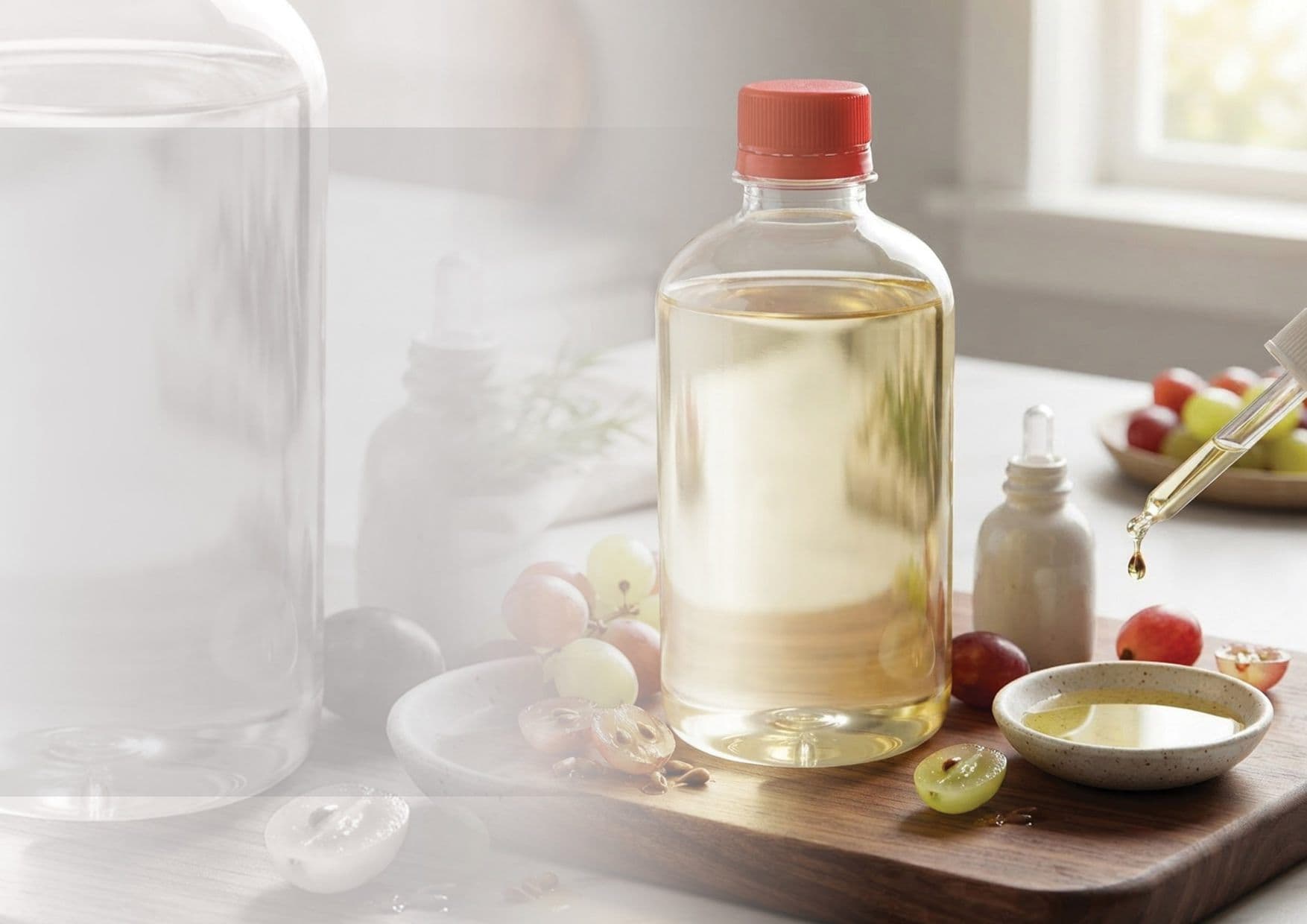
PET means polyethylene terephthalate. Polyethylene is a family that includes materials such as HDPE and LDPE. They differ in clarity, stiffness, barrier properties, and processing behaviour.
Key PET characteristics
PET commonly offers good clarity and gloss, making it widely used where product visibility matters. Its resistance to gas and water-vapour transmission can matter in shelf-life design, although barrier performance also depends on container construction, wall thickness, and the product.
Process temperatures, including hot filling, must match the resin grade and bottle design; a standard PET bottle is not automatically suitable for every process temperature.
Key polyethylene characteristics
HDPE is often opaque or translucent, tough, and more flexible than PET, and is used for some oils, dairy products, and household products. LDPE is softer and is more common in squeezable applications or films. Grade, design, and thickness influence final performance.
Do not compare polyethylene and PET by appearance alone. Chemical resistance, permeability, mechanical properties, and recycling options should be assessed against the application together.
Making the technical choice
Test each option with the actual product under intended filling, transport, and storage conditions. Changes in odour, taste, appearance, leakage, deformation, and closure performance are important evaluation points.
Food-contact suitability depends on the material, grade, additives, use case, and destination-market rules, and should be confirmed through relevant documentation and testing.